
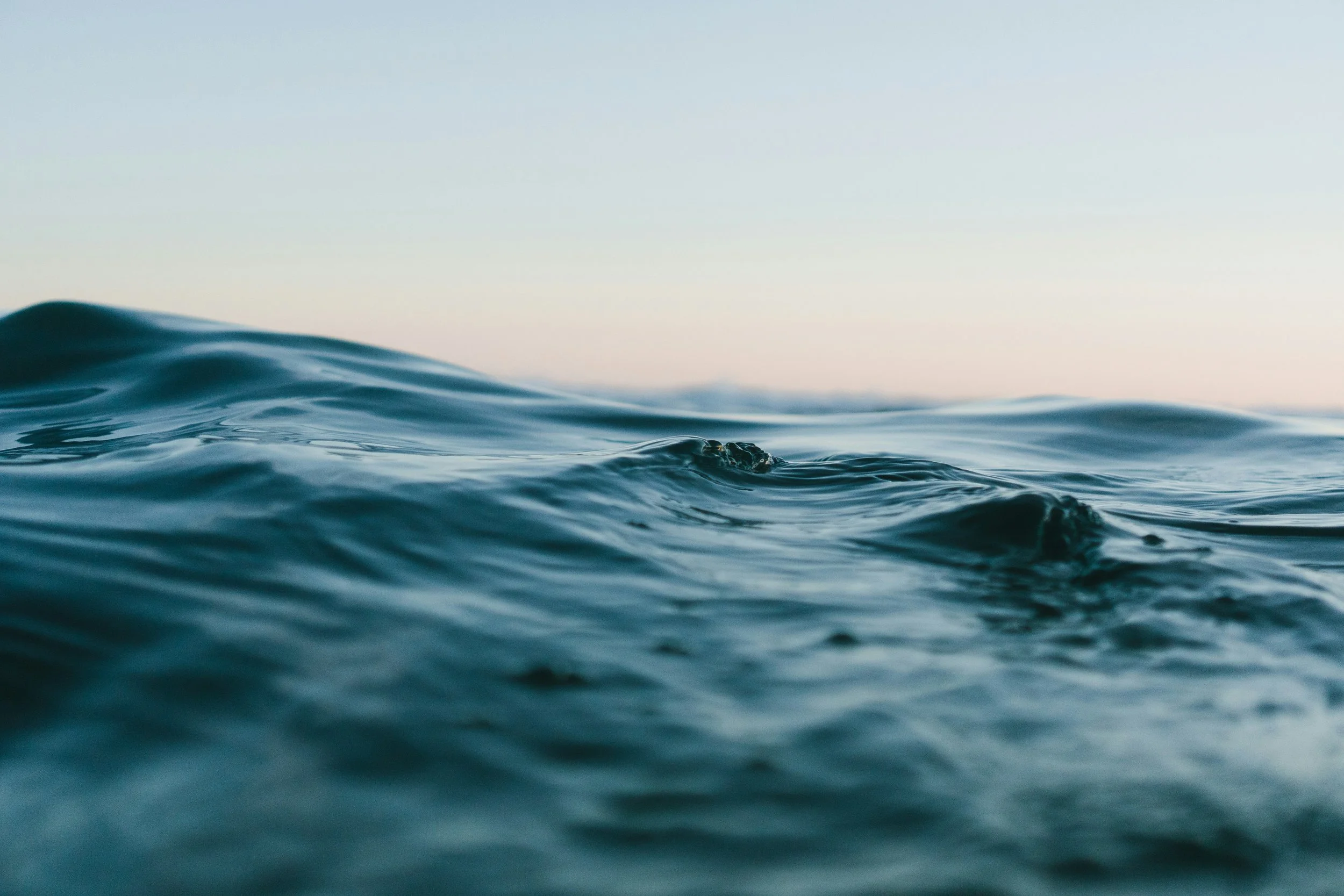
Natural and Celestial Events
to consider for your travels
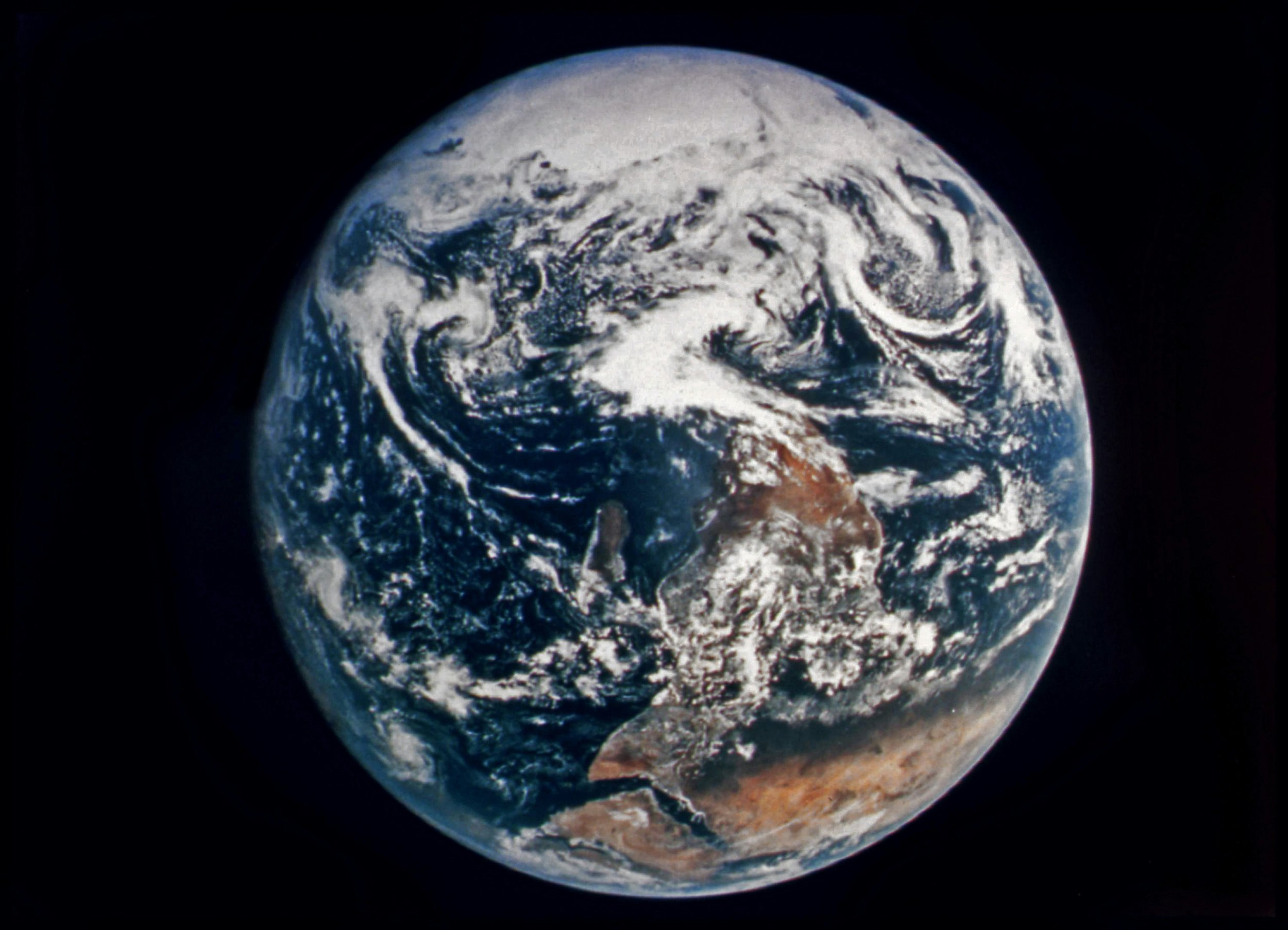
Earth
Natural wonders happen every season on earth, and the shoulder seasons provide the most activity, like spring offering blooming wildflowers and autumn’s vibrant display of color changing foliage.
Bird migrations occur all over the world throughout the year. You can learn more about tracking and predicting bird migration activity in the US at BirdCast.com or in Europe at EuroBirdPortal.
Herds migrate across vast expanses of land in Africa, Asia, and Alaska.
While it is important to witness these natural wonders with mindfulness and respect, arranging travel to coincide with an event could bring immense depth to your travel experience.
Music created by human beings is another wonder on earth, an expression of all of the above. Festivals and concerts take place all over the world to celebrate human thought, emotion, and gratitude for our great Earth.

Sun
There are gatherings and rituals celebrated in all corners of the globe that honor the seasons and moments our sun helps create.
Sunrise and sunset are daily events celebrated by most life on earth. Find the times these happen anywhere in the world at this link. Keeping these daily rhythms in mind is a simple way to add depth to an itinerary.
Solstices and Equinoxes are the solar events that designate the precise moment our sun and earth align to mark a new season; summer and winter solstice, and spring and autumn equinox. Our days are longer or shorter during a solstice, while we receive equal amounts of day and night during an equinox. You can find the time and dates of these astronomical seasons at this link. Many cultures and communities around the world honor these days, as well as eclipses, with prayer, meditation, and celebrations.
Northern Lights, a result of solar particles reacting with the Earth’s atmosphere, can be found in areas near the Arctic Circle. You can learn more about the science behind Auroras at this website, and find the daily forecast for any part of the arctic at this website.
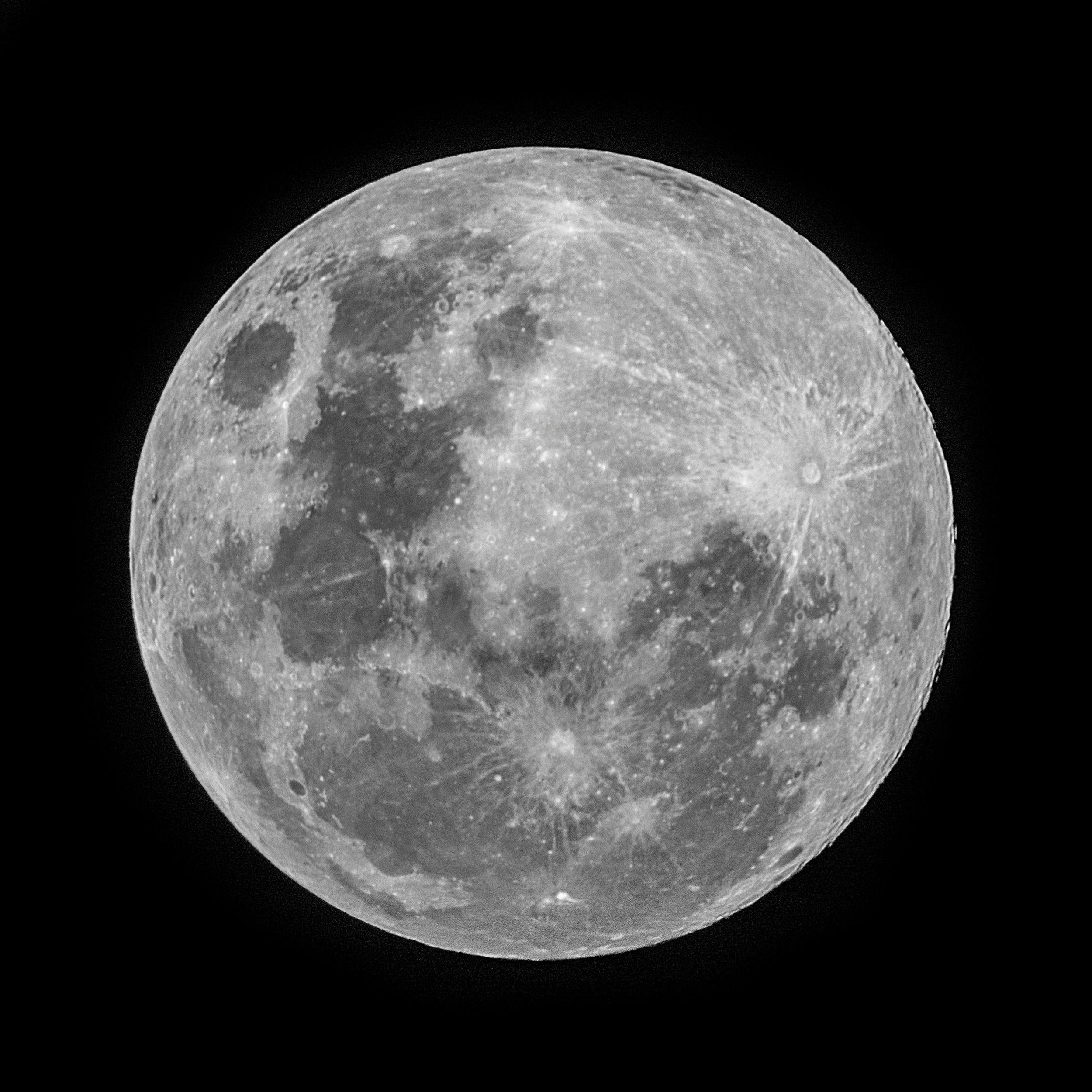
Moon
The moon plays a role in so many forces on earth and within us. Tides fluctuate daily due to the moon’s gravitational pull and the earth’s rotations. Being mindful of the tide is important when boating or fishing, but it also affects how the beaches look and what wildlife you might witness. To check out tidal times in the US, check out this website.
When the moon is full, it is very easy to hike by moonlight or gaze at dancing lights on an ocean or river, but other times, the moon’s brightness will diminish the light from stars and the glow of bioluminescence in the oceans and on land. Timing your adventures around dates of the new moon and full moon can have an impact on your travel experiences. While we can’t always guarantee that clouds won’t hide the luminous orb at its fullest, we can make intentional connection with our intuitive side at any stage the moon is in. You can find a schedule of the moonrise and moonset, it’s phases, and upcoming eclipses at this website.
Cycles of the moon have been celebrated and utilized by humankind in a myriad of ways. Sowing on a new moon and harvesting on a full, celebrating holidays, meditating and receiving energetic guidance. We can acknowledge new beginnings, bring ideas to the surface, sit in the darkness or bask in the light of the moon.
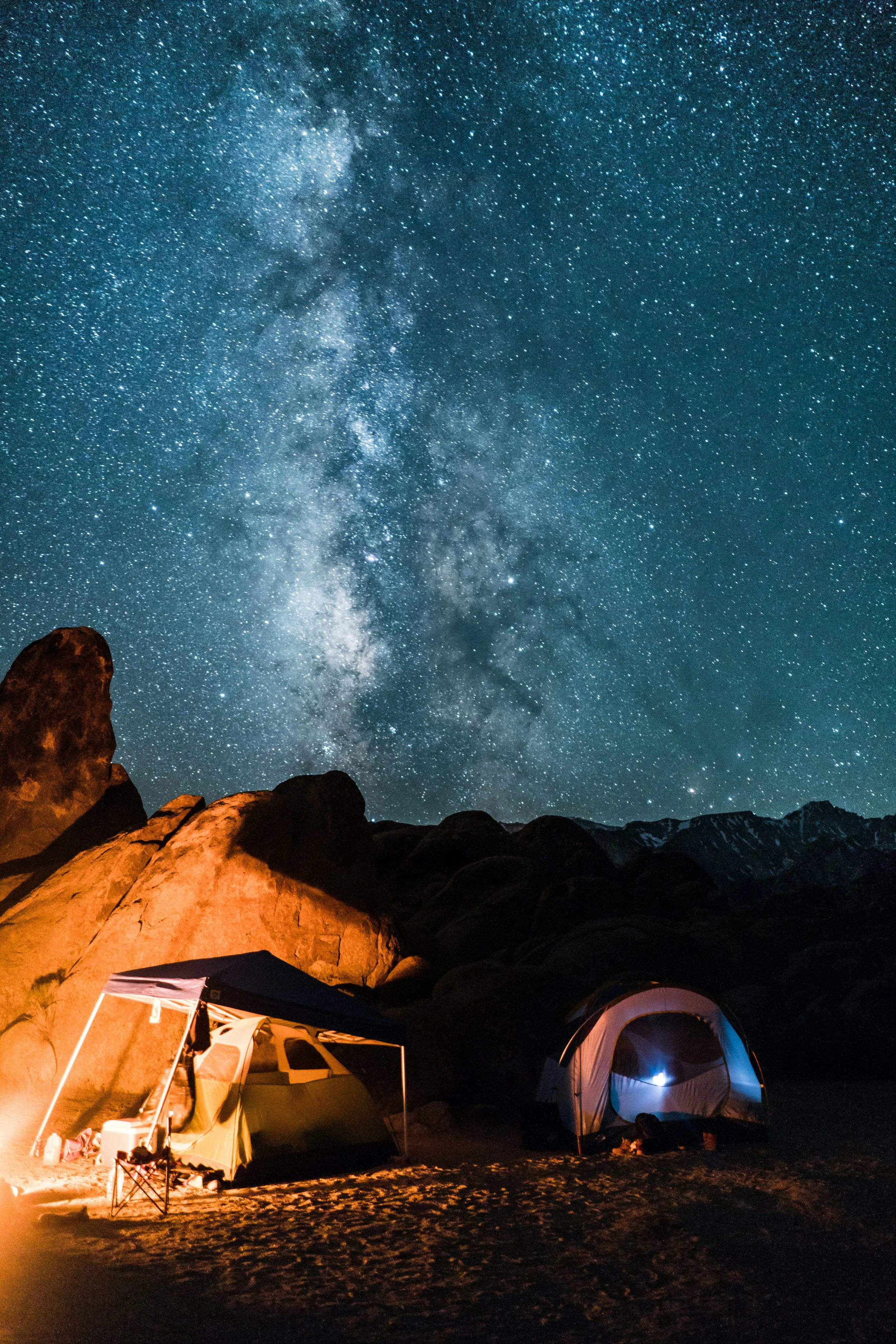
Stars (and Clouds)
Even though my first memory of seeing the Milky Way is over 30 years old, it is still fresh in my mind. While in the Appalachian Mountains, I was shocked to see that the same sky I’d been looking up to as a child in an Ohio suburb suddenly presented a whole new universe, literally.
It makes a difference to travel to places removed from light pollution, and dark sky parks are great destinations. DarkSky International is an organization whose mission is to educate, preserve, and protect places around the globe that meet their dark sky criteria. While most parks or preserves do not allow camping, we are able to bring a blanket and gaze at the sky for hours into the night. These are great places to view the Milky Way, comets and planets and be awe-inspired by the dark night. When planning, it’s important to note that clouds are a strong variable that could affect a stargazing experience, and consideration of the destination’s seasonal weather, as well as appreciation for clouds is needed.